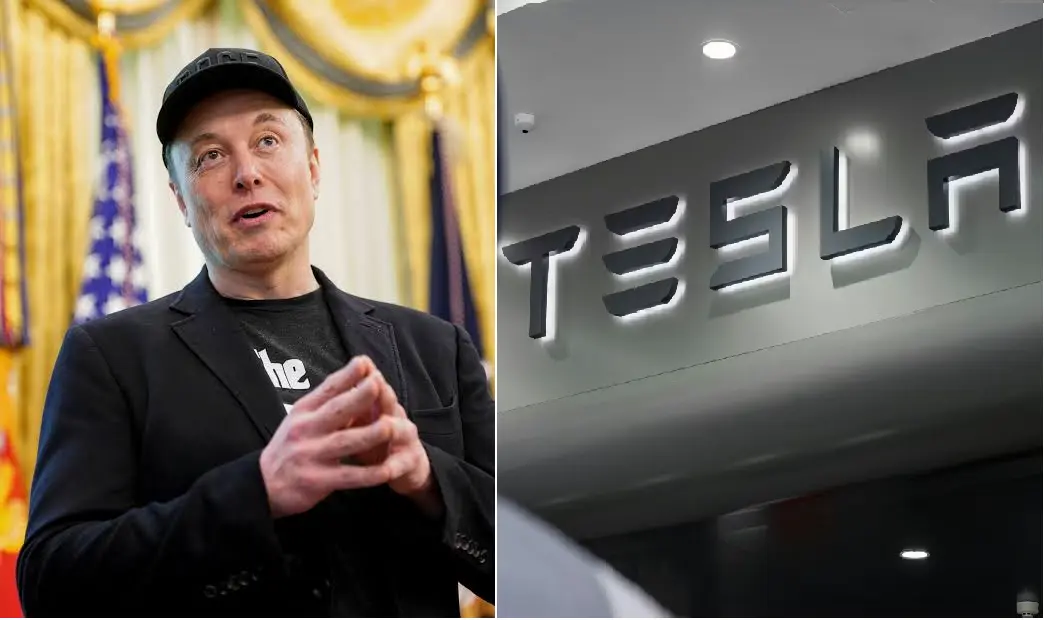
Six months ago, Tesla was ranking its own engineers on internal dashboards by how many AI tokens they consumed essentially gamifying AI adoption to push employees to use it more. Starting July 6, the same company is capping every employee’s AI tool spending at $200 per week, with a management sign-off required for anything above that. Some software engineers had been running up thousands of dollars in AI tool costs every single week. That reversal happened fast enough to give you whiplash and it’s not just a Tesla story.
What’s Actually Happening
According to an internal memo first reported by The Information and independently confirmed by Electrek, Tesla will impose a hard $200-per-week limit on employee spending on external AI tools starting July 6. Employees who need more than that will require explicit management approval before spending.
The cap comes after Tesla spent the past six months doing the opposite: actively pushing staff to adopt AI tools through a centralized internal platform called Bottle Rocket, which gives employees access to models from OpenAI, Anthropic, xAI, and Cursor including unreleased versions all in one place. Before Bottle Rocket, employees were using personal accounts to access these tools, which was even harder to track. The adoption push worked so well that some software engineers were burning through thousands of dollars of AI tokens weekly.
The Detail That Makes This More Than Just a Cost-Cutting Story
The $200 cap doesn’t apply equally to everything. Beta versions of xAI products Elon Musk’s own AI company are explicitly excluded from the weekly limit. Tesla engineers can use those without counting against their cap, while usage of Claude, ChatGPT, and other rival tools does count. Electrek reports that Tesla engineers largely prefer Anthropic’s Claude over xAI’s tools, which means the policy structurally steers heavy users toward Musk’s own ecosystem rather than competitors not by banning anything, but by making competitors cost something while xAI is free.
Tesla Isn’t Alone, This Is a Pattern
What makes this story bigger than one company’s budget decision is who else is doing the same thing:
- Uber burned through its entire 2026 AI budget by April and capped employee spending at $1,500 per month
- Meta introduced spending caps and has been steering staff toward cheaper models
- Amazon and Walmart have both introduced similar guardrails as token-based billing started making AI costs directly visible to team budgets
The through-line across all of these: companies enthusiastically pushed AI adoption internally, token-based billing made the costs suddenly visible at scale, and the sticker shock arrived faster than anyone budgeted for. It turns out that when you give engineers access to powerful, token-billed AI tools and tell them to use them aggressively, they do and at a company the size of Tesla or Uber, that adds up to a real number very quickly.
The Bigger Picture: What This Tells You About the AI Industry Right Now
This story connects directly to the other AI-compute stories we’ve covered this week: Google couldn’t give Meta enough Gemini capacity, Oracle’s AI debt load spooked investors, and now Tesla a company building AI into its core products and tripling its infrastructure capex to $25 billion this year is rationing which AI tools its own engineers are allowed to use on a weekly basis.
The takeaway isn’t that AI is too expensive to use. It’s that the cost of AI usage is now real, visible, and hitting budget lines in ways companies didn’t fully anticipate when they started the adoption push. “Use more AI” is still the directive almost everywhere but “use it carefully, because we can see exactly what you’re spending” is the new qualifier attached to it.
Why This Matters If You’re Starting a Tech Job
If you’re joining a tech company as a new hire, this is useful context to bring into your first weeks: AI tool usage at most companies is no longer a free-for-all. Knowing how to get maximum value from a constrained AI budget choosing the right model for the task, batching queries efficiently, using cheaper tiers for simpler tasks is becoming a genuine, practical skill that distinguishes engineers who understand the economics of AI from those who just use it without thinking. It’s a small thing, but it’s the kind of detail that reads as seniority early in a career.
Frequently Asked Questions
The cap takes effect on July 6, 2026, per an internal memo first reported by The Information.
No, the $200 weekly limit applies to third-party AI tools like Claude, ChatGPT, and Cursor, but explicitly excludes beta versions of xAI products, Elon Musk’s own AI company.
Software engineers had been spending thousands of dollars weekly on AI tokens, making costs visible and significant at scale. The cap is a cost-control measure following a period of aggressive, incentivized adoption.
Yes, Uber, Meta, Amazon, and Walmart have all introduced similar AI spending caps or guardrails as token-based billing made AI tool costs directly visible to company budgets.
Sources: The Information (original report), Electrek, TipRanks, TechFocus24, and Investing.com, July 2-3, 2026.